-
Soy
The FDA declared soy an ideal shield against heart disease in 1999, but soy has experienced criticism for its estrogen-mimicking properties, and tendency to be genetically modified and allergenic. But are the bygone soy-crazed days really over? Not so, says a report from Global Industry Analysts, Inc. Soy’s international market could be worth $42.3 billion by 2015.
While nutritionists agree seeking “whole soy” products like edamame, tofu, and soy nuts are the best ways to include into a diet, pioneering research suggests powders have prolonged muscle-building power when combined with whey and casein proteins—not to mention anti-inflammatory and antioxidant effects too. A good rule of thumb? Always choose USDA Organic or Non-GMO Project Verified. If it’s conventionally grown, you can bet soy is genetically modified.
-
Hemp
Hemp is no longer just for necklaces. A recent addition to the protein powder market, hemp has actually been around for centuries—Revolutionary-era Americans even grew it (George Washington, I’m looking at you).
Hemp is a nutritional powerhouse: Some brands like Nutiva Organic Hemp Protein contain 15 grams of protein in 3 tablespoons, along with healthy amounts of zinc, iron, fiber, and magnesium. Hemp is a super sustainable option too—a hemp plant reaches maturity in just 90-100 days. Although hemp is famously a cousin of marijuana, the answer is no, it can’t get you high, as it’s THC levels are barely measurable.
Check out this groovy video touting hemp’s benefits for more information.
-
Cranberry
Yes, cranberry protein does exist. AHD International, a distributor of new- to-market food ingredients, developed cranberry protein in 2008 by cold pressing and filtering cranberry seeds—preserving the omega 3s, 6s, and 9s. Cranberry protein is unique in being the only 100 percent fruit protein that contains 25 percent protein, including essential fatty acids and amino acids.
Cranberry protein is typically incorporated into other protein blends (such as SunWarrior Warrior Blend) to add variance and boost overall nutrition. Some studies suggest cranberry protein increases absorption of other nutrients as well.
-
Quinoa
While not a protein powder per se, quinoa is a notable ingredient to include for its popularity. First introduced in the United States by food pioneers Steve Gorad and Don McKinley, the Peruvian and Bolivian seed is still riding its wave from several years ago when it was found to be a complete protein (it contains all essential amino acids).
Quinoa’s superior nutritional profile (1 cup of cooked quinoa provides 5 grams fiber and 8 grams protein, plus significant folate, magnesium, calcium, B vitamins, and vitamin E) makes it a big player in the plant-based protein category. Pastas, breads, granola, and parboiled packets of the ancient grain are skyrocketing in popularity—especially as Celiac disease awareness is increasing.
-
Brown rice
Brown rice protein is isolated from brown rice and contains an impressive spectrum of amino acids. Often made from sprouted brown rice for increased bioavailability and digestibility, brown rice protein is a progressively more common alternative for vegans due to its relative accessibility. Rice protein is best when blended with other powders, such as pea or hemp, to obtain a more complete protein.
One particularly compelling study published in the Journal of Agricultural and Food Chemistry found when hamsters were fed derivatives of brown rice protein for three weeks they had lower body weight, liver weight, and LDL cholesterol density than the control group. Researchers believe brown rice protein may include unique peptides that contribute to these positive changes.
-
SaviSeed (sacha inchi)
Used in the meticulously blended Sequel Naturals Vega Sport Performance Protein Blend, SaviSeed is the trademark name of sacha inchi seeds (which Sequel Naturals also launched). While notable for their gargantuan dose of omega-3s (they have 13 times more omega-3s than wild salmon per serving), they also have ample amounts of highly digestible protein—8 grams per ounce.
But why are sacha inchi seeds so valuable to include in protein powder blends? They offer tryptophan (about 8 times more than a typical roasted turkey), an amino acid that helps promote nitrogen balance in adults and mental recovery—a needed aspect in any strenuous workout plan.
-
Pea
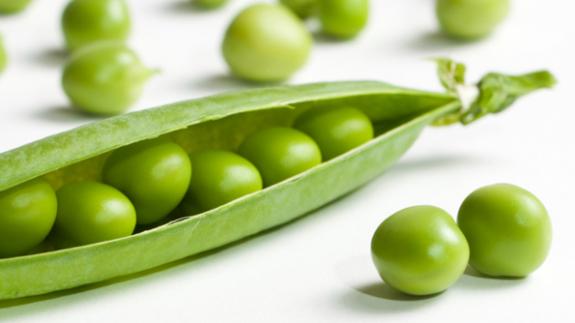
Pea protein powder is a popular alternative to soy, as it is non-allergenic, easily absorbable, and non-GMO. One 30-gram scoop of pea powder normally has 28 grams of protein for a mere 130 calories. Many companies use pea powder as a supplement to other proteins. “Pea protein helps with consistency,” says Mary Adams, VP of marketing for the new meat substitute company Beyond Meat. “When combined with soy, it aids with the texture and mouth feel of the finished product—not to mention it’s a different kind of protein altogether…for more nutrition.” Pea protein also has a wealth of amino acids, including BCAAs (branched chain amino acids), which aid in muscle recovery and maintenance.
And pea protein may have a greater perk than increasing the circumference of your bicep. Research published in Molecular Nutrition and Food Research found that rats fed pea protein for 28 days had markedly lower cholesterol and triglycerides than rats fed casein protein. Scientists believe pea protein’s ability to regulate fat-metabolizing genes in the liver may be the reason behind the benefits.
Recent research has placed us in quite a pickle: Experts say we should be eating more protein to maintain or lose weight, but red meat places us at a higher risk for diseases like type 2 diabetes, breast cancer, and heart disease. Confused eater, it’s time to embrace plant-based proteins. While soy is still a main contender in this category, a bevy of newer, surprising protein options are available. Take a gander at these fresh plant proteins—whether you’re an herbivore or not.